
Trainees
Current doctoral trainees
Meet our doctoral trainees, their thesis and a brief description. You can visit their Linkedin profile for more information about their career.
Elham Salehisiavashani 🇮🇷
Dr. Duncan Stewart
Thesis title:
Exploring mechanisms of pulmonary veno-occlusive disease using single-cell transcriptomics.
Project description:
PVOD is a rare and fatal subset of PAH which is caused by biallelic mutations in Eif2ak4/GCN2. Unlike PAH which affects only the lung arteries, PVOD is characterized by widespread obliteration of pulmonary veins, venules, and capillaries. In this study, we aim to study the underlying mechanisms during the development of PVOD using single cell transcriptomics.
Keywords:
Cardiovascular disease, single-cell sequencing, Eif2ak4/GCN2 pathway, PVOD
Pakshid Hosseinzadeh 🇮🇷
Dr. Sophie Lerouge
Thesis title:
Design of injectable scaffolds with tunable hybrid macroporosity for cell therapy and tissue engineering applications
Project description:
I am working on cancer therapy by using cell therapy. In my project, by using different methods, we are developing small pores that normally cannot be seen in hydrogels. These pores help the immune cells to form a cluster. When immune cells are in clusters, they seem to be activated for a longer time. It helps prolonging the efficacy of cancer therapy.
Keywords:
Macropores, Injectable hydrogels, Chitosan
Aidan MacAdam 🇨🇦
Dr. Emilio I. Alarcon
Thesis title:
Light-activated materials for tissue regeneration
Project description:
My project focuses on making light-activated materials to repair damaged tissues such as skin and cornea. I develop materials that start as liquid but become a gel after being exposed to either blue light or green light. The materials are synthetic in nature and thus can be manufactured without the need for animal-based products.
Keywords:
Biomaterials, cornea, skin repair
Deyanira Hernandez 🇲🇽
Dr. Emilio I. Alarcon
Thesis title:
Design of a small vascular graft with rapid endothelialization
Project description:
The project focuses on designing a small vascular graft with peptide surface modification to improve the endothelialization capacity of the graft so it can be used as a replacement for coronary artery bypass grafting (CABG).
Keywords: vascular graft, surface functionalization, peptide, endothelialization
German Mercado 🇨🇦/🇲🇽
Dr. Emilio I. Alarcon
Thesis title:
Design and characterization of peptide-based tissue adhesive for mitigating fibrous tissue and hypertrophic scar formation in skin following surgical interventions
Project description:
My project aims to develop a peptide-based tissue adhesive to improve wound healing and reduce scar formation. Currently we are developing synthetic peptides that can self-assemble or react with polymers to create tunable materials, providing an optimal environment for healing and minimizing scar formation.
Keywords:
Hydrogel, wound healing, Biomaterials, Synthetic Peptides, Tissue Adhesives
Xixi Guo 🇨🇳
Dr. Erik Suuronen
Thesis title:
Biomaterials for treating myocardial infarction
Project description:
Developing biomacromolecular-based materials for myocardial infarction (MI) treatment and investigating the levels and effects of methylglyoxal in post-MI cardiac conditions.
Keywords:
Myocardial infarction; Macromolecular-based hydrogel; Methylglyoxal
Ramis Ileri 🇹🇷
Dr. Erik Suuronen
Thesis title:
The role of methylglyoxal in heart-brain interactions and biomaterial therapies to target it after myocardial infarction
Project description:
I’m currently exploring the impact of myocardial infarction (MI) on the brain after MI. My focus is on elucidating potential mechanisms of neuroinflammation that MI may trigger. Additionally, I’m also working on a project investigating the efficacy of nanoparticle therapies in a model of myocardial ischemia-reperfusion to mitigate the effects of methylglyoxal post-MI.
Keywords:
Myocardial infarction, methylglyoxal, heart-brain interactions, biomaterial therapies
Mona Moradi 🇮🇷
Dr. May Griffith
Thesis title:
Dual-Functional Applications of PolyMPC Nanoparticles in Regenerative Medicine: Corneal Blindness and Angiogenesis in Peripheral Arterial Disease Treatment
Project description:
My research focuses on a special material called methacrylated phosphorylcholines (MPC), which can behave differently depending on its size. At a larger scale, MPC prevents unwanted blood vessel growth, making it useful for treating eye conditions that require clear corneas. However, at the nanoscale, tiny particles of MPC (polyMPC nanoparticles) actually help grow blood vessels, which could be beneficial for heart disease and tissue repair. My work aims to understand why MPC acts differently at different sizes and explore its potential for regenerative medicine, including improving treatments for heart disease and eye injuries.
Keywords:
PolyMPC Nanoparticles, Regenerative Medicine, Angiogenesis, Tissue Engineering, Biomaterials.
Sarwa Al Akkad 🇱🇧 🇨🇦
Dr. Alison Flynn
Thesis title:
Optimizing interdisciplinary training in chemistry disciplines
Project description:
This project explores how interdisciplinary training in chemistry can be improved to support knowledge integration, access, skill development, and career readiness for future scientists.
Keywords:
Interdisciplinary, Training, Education, Chemistry
Cameron Stotts 🇨🇦
Dr. Katey Rayner
Thesis title:
Pre-existing atherosclerosis exacerbates short- and long-term inflammatory burden in pneumonia
Project description:
Inflammation is a primary driver of atherosclerosis progression, the buildup of fat and immune cells in the blood vessel walls. As such, inflammatory conditions including pneumonia, inflammation in the lungs caused by a bacterial or viral infection, can exacerbate atherosclerosis and cardiovascular risk. My project focuses on understanding the mechanisms that link pneumonia and increased cardiovascular risk, and then using this information to uncover novel therapeutic interventions to help this at-risk population.
Keywords:
Pneumonia, atherosclerosis, inflammation
Current master trainees
Meet our master trainees, their thesis and a brief description. You can visit their Linkedin profile for more information about their career.
Jéssica Hernández 🇲🇽
Dr. Erik Suuronen
Thesis title:
Collagen-like-peptide nanoparticles for scavenging methylglyoxal
Project description:
Methylglyoxal (MG) is produced in the body naturally, but usually the body has mechanisms to neutralize it and its by-products. After a heart attack these cleansing routes get saturated and MG starts to accumulate, which is dangerous as it reacts with proteins and DNA. This buildup of MG has been linked to the development of subsequent diseases, including neurodegenerative disorders such as Alzheimer. As the most common protein in the body, collagen is a primary target for MG. We have synthesized peptides that resemble collagen to act as scavengers and shield the natural collagen from the high MG concentrations.
Keywords:
Peptide, nanoparticle, methylglyoxal
Béatrice Guilbault 🇨🇦
Dr. Sylvie Lesage
Thesis title:
Understanding the immune response of a LSFC murin model
Project description:
LSFC is a rare neurodegenerative genetic disorder that is fatal due to lactic acidosis crisis. It is caused by a mutation in the LRPPRC gene. In my project, I am evaluating the immune response and the blood parameters related to an acidosis crisis in mouse models that are knockout (KO) for the LRPPRC protein after immunisation.
Keywords:
Genetic, metabolism, LSFC, mouse, rare disease.
Chaimae Slaoui 🇲🇦
Dr. Emilio I. Alarcon
Thesis title:
Engineering Light Activated Biomaterials: A Translational Pathway for Corneal Repair
Project description:
The project aims to develop an injectable material to help restore the thickness and shape of weakened corneas in patients with keratoconus disease. Using a light-activated, transparent gel, the approach is designed to strengthen the cornea without relying on donor tissue. The project addresses technical performance, safety and real-world feasibility by combining experimental testing, early regulatory and quality planning to guide development.
Keywords:
Corneal Health, Medical Device, Biomaterials, Vision Loss Prevention
Daniel Ngyuen 🇨🇦
Dr. Emilio I. Alarcon
Thesis title:
Multifunctional Peptide-Based Material for Advanced Manufacturing
Project description:
This project focuses on the creation of soft, flexible materials that can stick to tissue using light. The work explores designing small protein-based building blocks that come together to form materials that are compatible with the body and can form in a controlled manner when exposed to light. By improving how these materials are made and activated, this research aims to support the development of safer tissue adhesives and other technologies used in tissue repair and advanced manufacturing.
Keywords:
Biomimetic peptides, Free radicals, Hydrogels, Photochemistry, Polymerization
Benjamin Cajka 🇨🇦
Dr. Tito Scaiano
Thesis title:
Heterogeneous catalysis for the photochemical removal of pharmaceutical compounds in water
Project description:
This project is centered around synthesizing heterogeneous magnetite-based photocatalysts for the degradation of pharmaceutical pollutants found in wastewater. Magnetite has photocatalytic properties and facilitates catalyst recycling processes. The catalysts can be modified with other photoactive dopants such as cerium oxide and silver, improving their effectiveness at degrading pharmaceuticals like ibuprofen from water.
Keywords:
Photocatalysis, heterogeneous, degradation, Ibuprofen, Magnetite
Sally Ayoub 🇨🇦
Dr. Erik Suuronen
Thesis title:
Investigating the cellular mechanisms of methylglyoxal-trapping peptide therapy
Project description:
My master’s project focuses on improving how the heart heals after a heart attack by determining how a new treatment works at the cellular level. I am studying a novel gel-like material made from small proteins that captures methylglyoxal, which is a harmful molecule released during cardiac injury that would otherwise increase inflammation and scarring. My research aims to understand how removing methylglyoxal affects cellular processes involved in heart cell survival, blood vessel function, and tissue repair.
Keywords:
Cardiac repair, methylglyoxal, myocardial infarction, biomedical materials
Olivia Daynou 🇨🇦
Sylvie Lesage
Thesis title:
DNT cells in the context of tumors
Project description:
This project aims to evaluate the effectiveness of DN T lymphocytes across different cancer cell lines. We will compare the effects of classical TCR stimulation (CD3/CD28) with IL-12/IL-18 stimulation and a combination of both, in order to assess their impact on tumor cell destruction and on increasing the range of targets that DN T lymphocytes can affect.
Keywords:
DN T lymphocytes, Tumors
Current postdoc trainees
Meet our post doctoral trainees, their thesis and a brief description. You can visit their Linkedin profile for more information about their career.
David García 🇦🇷
Dr. Erik Suuronen
Thesis title:
Peptide-based methylglyoxal trapping materials for heart repair
Project description:
Cardiovascular diseases cause an estimated 32% of all deaths worldwide. Myocardial infarction (MI) occurs when coronary artery blood flow is reduced, triggering extensive cell death in the left ventricle. Even with prompt intervention, the level of recovery is variable, and about 10% of patients can lead to heart failure. Thus, a new therapy is needed that can limit cell death and reduce the incidence of heart failure post-MI. Our current research project is focused on finding peptide-based biomaterials to promote the repair and function of the post-MI heart.
Keywords:
Peptide; Biomaterials; Methylglyoxal; AGEs; Injectable hydrogels
Maria Jazmin Silvero 🇦🇷
Dr. Tito Scaiano
Thesis title:
Aplications and development of novel nanomaterials
Project description:
I am part of more than one project. Development of polymers containing silver and gold nanoparticles with photoantimicrobial properties, synthesis of nanocatalysts for organic reactions, and degradation of pollutants in water and air.
Keywords:
nanoparticles, catalyst, antimicrobial, light
Micaela Giannetti 🇮🇹
Dr. Erik Suuronen
Thesis title:
A deep insight into the complexity of interchain interaction in ruling the activity of biological peptides and protein in solution or on surface.
Project description:
The project was based on exploring how interchain interactions influence the activity of biological peptides and proteins, both in solution and on surfaces. The computational work was directly compared with experimental data to elucidate the underlying molecular mechanisms and to inform the development of predictive models.
Keywords:
Molecular dynamics simulations, PD-L1, oligopeptide
Yann Bami-Chatenet 🇫🇷
Dr. Sophie Lereouge
Thesis title:
Multifunctional and injectable core-shell microspheres for cell therapy and endovascular treatments
Project description:
Core-shell polymeric microbeads are manufactured via innovative extrusion processes to serve as multifunctional injectable therapeutic agents. They are designed for both the treatment of liver cancer through magnetically guided chemoembolization and the cell therapy of vascular diseases via encapsulation of stem cells (MSCs). Their structure enables an optimal functional balance to enhance therapeutic potential.
Keywords:
Core-shell microspheres; Cell therapy; Chemoembolization (TACE); Liver cancer; Encapsulation
Meredith Allen 🇨🇦
Dr. Alison Flynn
Project title:
Investigating the Influence of Advanced Interdisciplinary Training on Career Paths and Preparedness
Project description:
This project examines how interdisciplinary graduate programs that include chemistry prepare students for an evolving science and technology workforce. It investigates what skills these programs build, how they shape students’ career preparation across sectors, and what factors influence graduates’ career paths. By drawing on interviews, institutional records, and national datasets, the study seeks to examine the value and influence of interdisciplinary training in Canada.
Keywords:
Interdisciplinary, Advanced training, Career preparation, training
Ines Amara 🇹🇳
Dr. Erik Suuronen
Thesis title:
Attenuation of Advanced Glycation End Product–Associated Cardiac Injury by High-Intensity Interval Training
Project description:
Myocardial infarction can cause long-term damage that weakens the heart and leads to heart failure. My research investigates how high-intensity interval training (HIIT) helps the heart heal after a heart attack by reducing the buildup of harmful molecules called advanced glycation end products (AGEs). By understanding how exercise limits AGEs and their harmful effects, my work aims to improve rehabilitation strategies and protect heart function after a heart attack.
Keywords:
High-intensity interval training (HIIT), Myocardial infarction, Advanced glycation end products (AGEs), Methylglyoxal (MG-H1), Cardiac remodeling
Juan David Figueroa 🇨🇴
Dr. Emilio I. Alarcon
Thesis title:
Peptide-Based Biomaterials for Tissue Regeneration
Project description:
I work on the development of peptide-based biomaterials for regenerative medicine. My research focuses on designing and characterizing bioinspired materials that support tissue repair and healing. I am particularly interested in translational applications in the eye and the heart, where these biomaterials can improve regeneration and functional recovery.
Keywords:
Peptide synthesis, Peptide-based biomaterials, Regenerative medicine, Tissue engineering
Past master trainees
Meet our past master trainees, their thesis and a brief description. You can visit their Linkedin profile for more information about their career.
Sara Currie 🇨🇦
Dr. Tito Scaiano
Thesis title:
Bactericidal Properties of Blackened Titanium Dioxide on Glass Filter: A Proof of Concept for Water Decontamination
Project description:
This thesis investigates blackened titanium dioxide (bTiO₂) as a solar-activated photocatalyst for water purification. It demonstrates efficient bacterial inactivation (E. coli 99.8%, S. aureus 98.5%) via reactive oxygen species (ROS) generation. A novel PicoGreen fluorescence assay is introduced for rapid viability assessment, revealing its dependency on inactivation mechanisms. Flow experiments with oxygen bubbling enhance disinfection, meeting WHO standards. The study advances sustainable water treatment and fluorescence-based bacterial quantification.
Keywords:
Water Purification, Photocatalysis, Bacterial Inactivation, White Light, PicoGreen
Aude Gigodot 🇫🇷
Dr. Sophie Lerouge
Thesis title:
Développement d’un hydrogel à base de réseaux interpénétrés de polymères pour la médecine régénérative
Project description:
We wanted to develop a new type of gel-like material that can support living cells and help create artificial tissues. Our goal was to improve the strength and stability of these materials so they can better mimic cartilage, a tough but flexible tissue found in joints. By combining two natural components: chitosan and gelatin, we created a hydrogel that is stronger and more suitable for 3D printing. Our tests show that this material supports cell growth and could be a promising option for future biomedical applications.
Keywords:
Injectable hydrogels, Interpenetrating Networks, Bio-inks, Cartilage
Solange Muhayimana 🇷🇼
Dr. May Griffith
Thesis title:
Stability of hydrogel biomaterials for cornea implants
Project description:
My research focuses on the stability testing of solid and injectable corneal hydrogels. The solid hydrogels remained stable for 6 months which was the target period. Results identified DMTMM, the crosslinker, as the primary cause of instability in injectable hydrogels. To address this issue, the crosslinker was removed, and alternative chemistry was explored, leading to the development of new hydrogels using click chemistry.
Keywords:
Biomaterials, corneal hydrogels, storage, stability, crosslinkers
Luciana Yu 🇨🇦
Dr. Adam Jason Shuhendler
Thesis title:
Zwitterionic magnetic nanoparticles for cell tracking by magnetic particle imaging
Project description:
Cell based therapies are a continued area of growth for a variety of diseases, with several implementations advancing to the clinic. However, in continued developmental efforts, the ability to track administered cells in the body is key to understand distribution and longevity. To this end, I am developing small magnetic particles that can be used to rapidly load therapeutic cells with imaging beacons without the need for any additional loading reagents.
Keywords:
Magnetic nanoparticles, cell tracking, magnetic particle imaging.
Current trainees
Doctoral
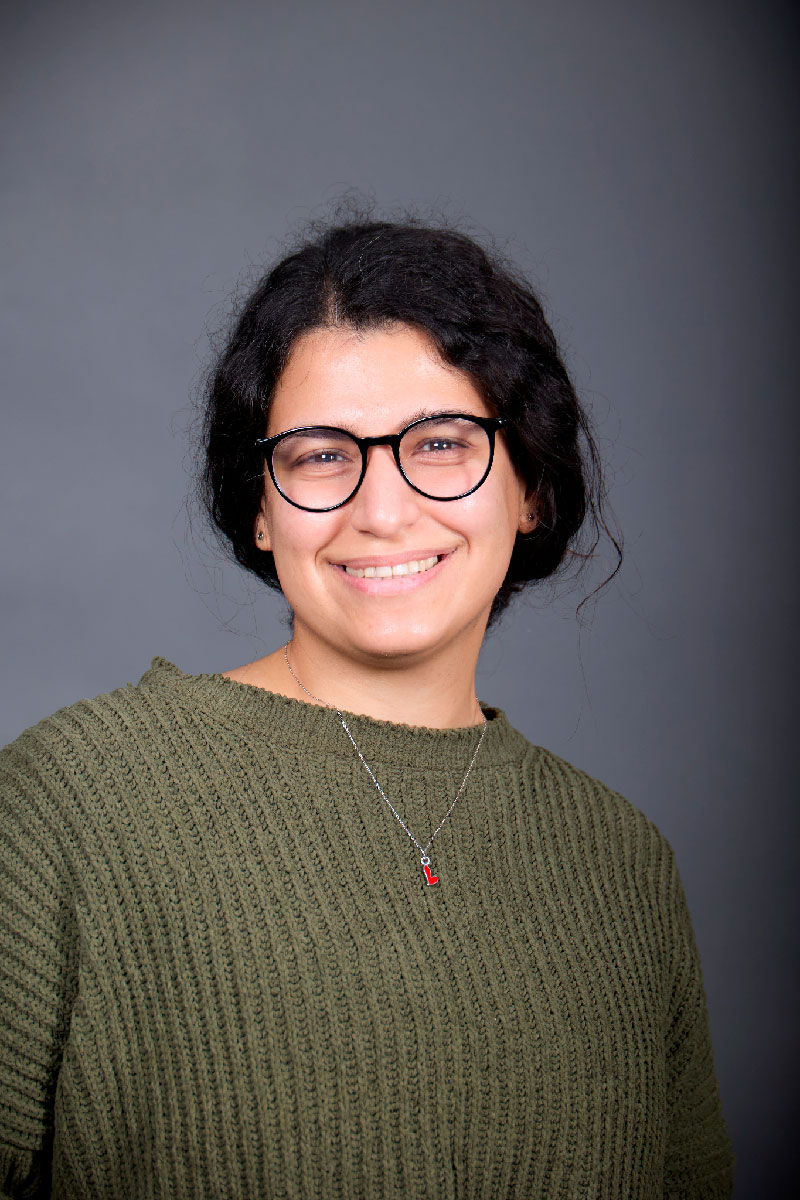
Elham Salehisiavashani 🇮🇷
Ottawa Hospital Research Institute
Thesis title:
Exploring mechanisms of pulmonary veno-occlusive disease using single-cell transcriptomics.
Project description:
PVOD is a rare and fatal subset of PAH which is caused by biallelic mutations in Eif2ak4/GCN2. Unlike PAH which affects only the lung arteries, PVOD is characterized by widespread obliteration of pulmonary veins, venules, and capillaries. In this study, we aim to study the underlying mechanisms during the development of PVOD using single cell transcriptomics.
Keywords:
Cardiovascular disease, single-cell sequencing, Eif2ak4/GCN2 pathway, PVOD
Website: LinkedIn Profile
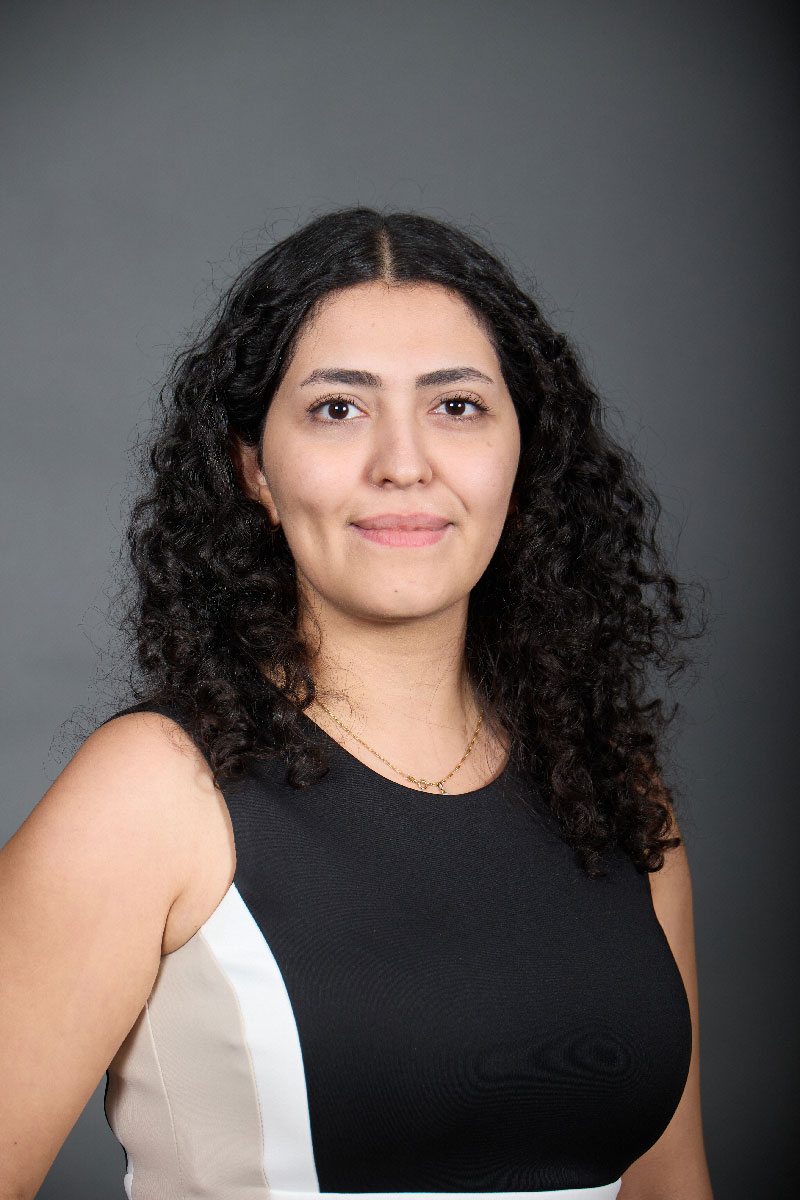
Pakshid Hosseinzadeh 🇮🇷
Centre de recherche du CHUM (Centre hospitalier de l’Université de Montréal)
Thesis title:
Design of injectable scaffolds with tunable hybrid macroporosity for cell therapy and tissue engineering applications
Project description:
I am working on cancer therapy by using cell therapy. In my project, by using different methods, we are developing small pores that normally cannot be seen in hydrogels. These pores help the immune cells to form a cluster. When immune cells are in clusters, they seems to be activated for a longer time. It helps prolonging the efficacy of cancer therapy.
Keywords:
Macropores, Injectable hydrogels, Chitosan
Website: LinkedIn Profile

Aidan MacAdam 🇨🇦
Ottawa Heart Research Institute
Thesis title:
Light-activated materials for tissue regeneration
Project description:
My project focuses on making light-activated materials to repair damaged tissues such as skin and cornea. I develop materials that start as liquid but become a gel after being exposed to either blue light or green light. The materials are synthetic in nature and thus can be manufactured without the need for animal-based products.
Keywords:
Biomaterials, cornea, skin repair
Website: LinkedIn Profile
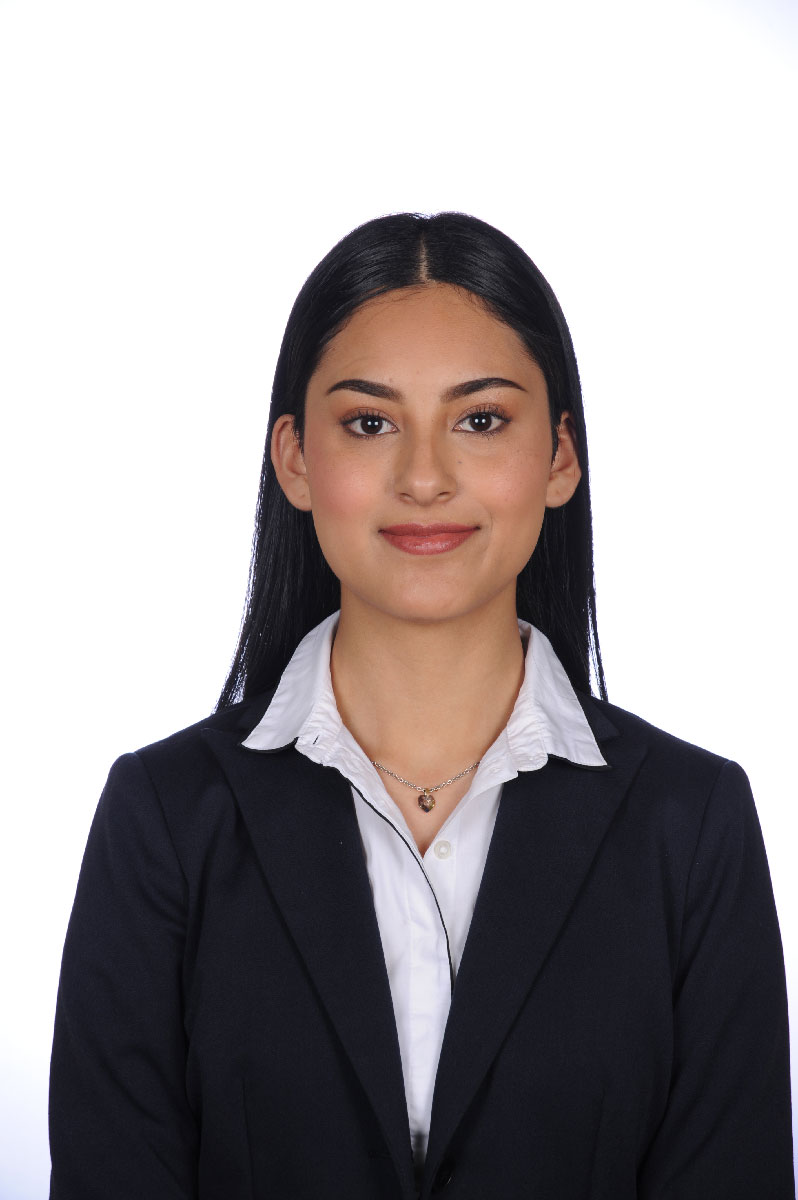
Deyanira Hernandez 🇲🇽
Ottawa Heart Research Institute
Thesis title:
Design of a small vascular graft with rapid endothelialization
Project description:
The project focuses on designing a small vascular graft with peptide surface modification to improve the endothelialization capacity of the graft so it can be used as a replacement for coronary artery bypass grafting (CABG).
Keywords:
vascular graft, surface functionalization, peptide, endothelialization
Website: LinkedIn Profile
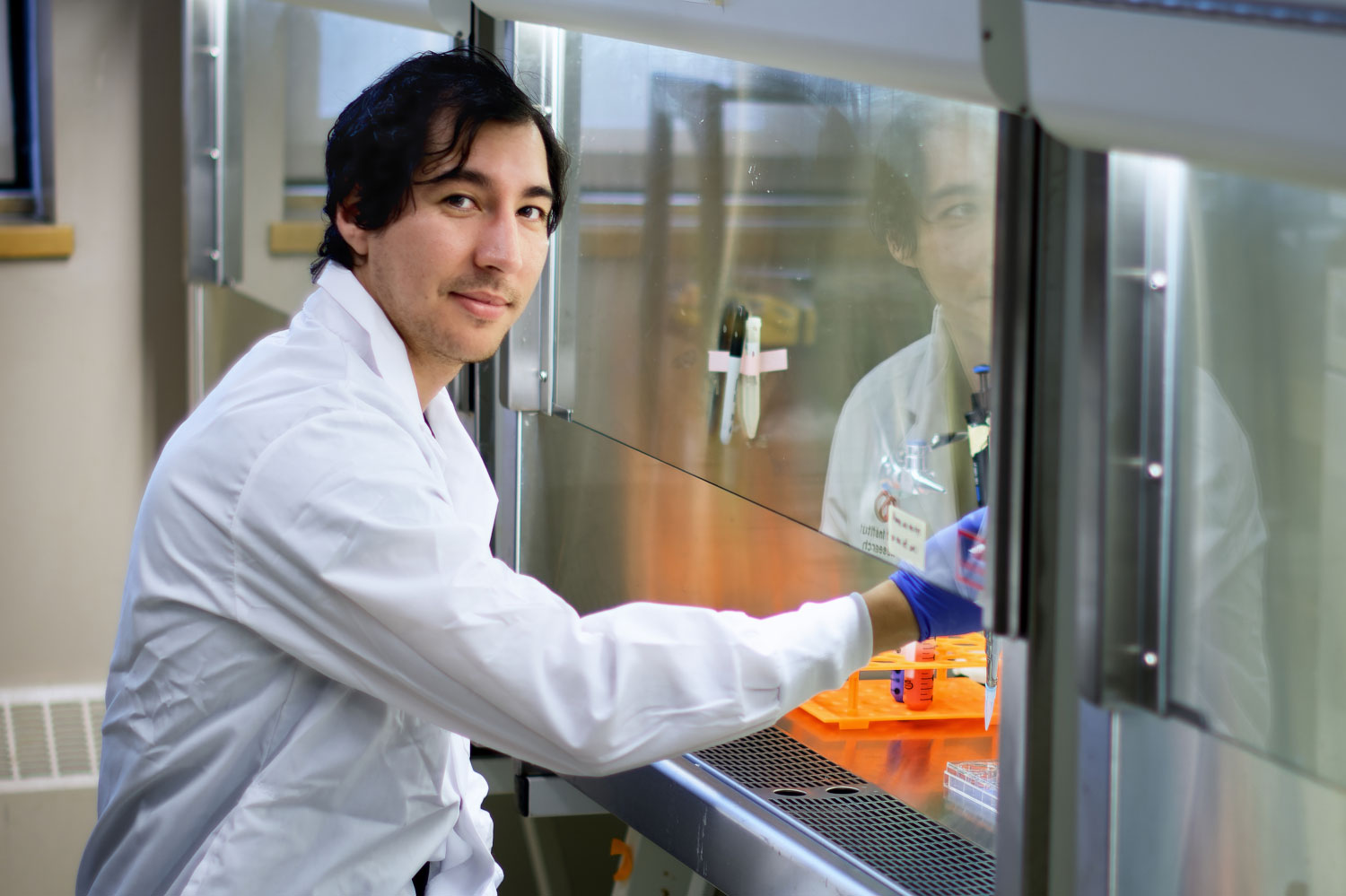
German Mercado 🇨🇦/🇲🇽
Ottawa Heart Research Institute
Thesis title:
Design and characterization of peptide-based tissue adhesive for mitigating fibrous tissue and hypertrophic scar formation in skin following surgical interventions
Project description:
My project aims to develop a peptide-based tissue adhesive to improve wound healing and reduce scar formation. Currently we are developing synthetic peptides that can self-assemble or react with polymers to create tunable materials, providing an optimal environment for healing and minimizing scar formation.
Keywords:
Hydrogel, wound healing, Biomaterials, Synthetic Peptides, Tissue Adhesives
Website: LinedIn profile
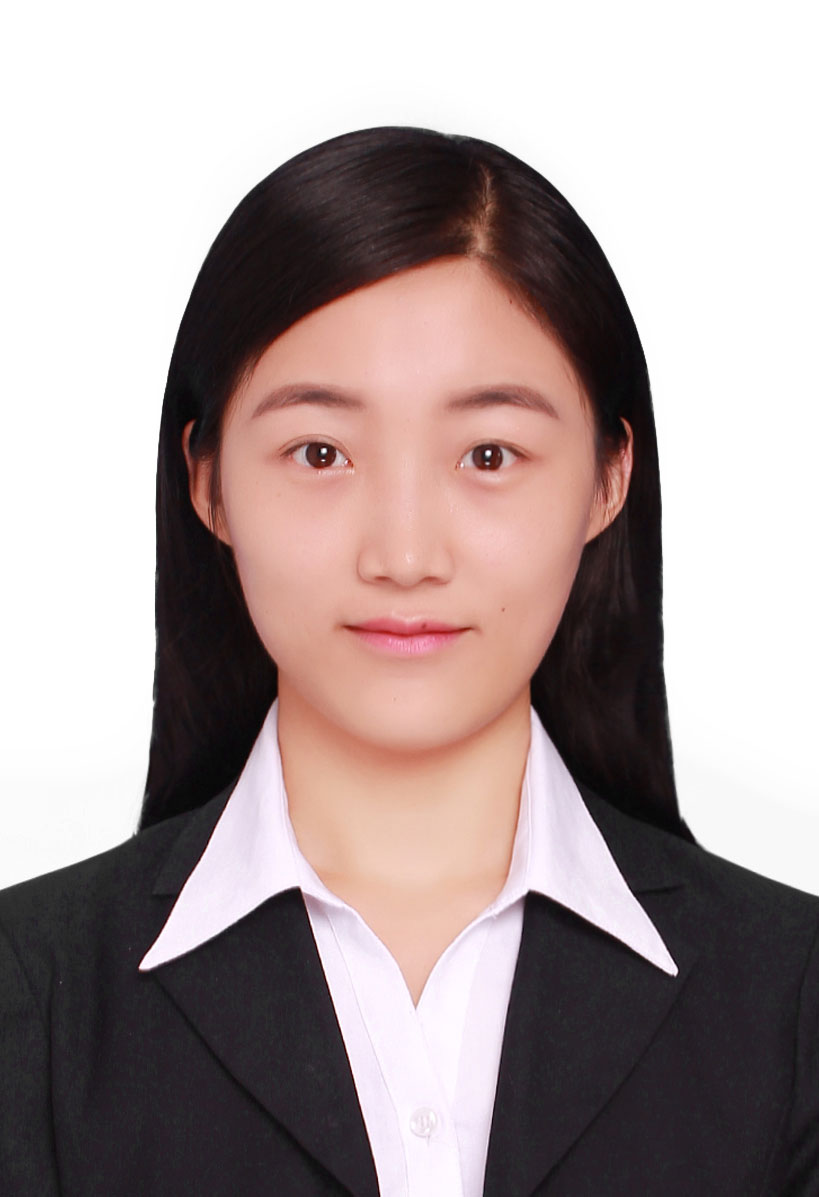
Xixi Guo 🇨🇳
Ottawa Heart Research Institute
Thesis title:
Biomaterials for treating myocardial infarction
Project description:
Developing biomacromolecular-based materials for myocardial infarction (MI) treatment and investigating the levels and effects of methylglyoxal in post-MI cardiac conditions.
Keywords:
Myocardial infarction; Macromolecular-based hydrogel; Methylglyoxal
Website: N/A
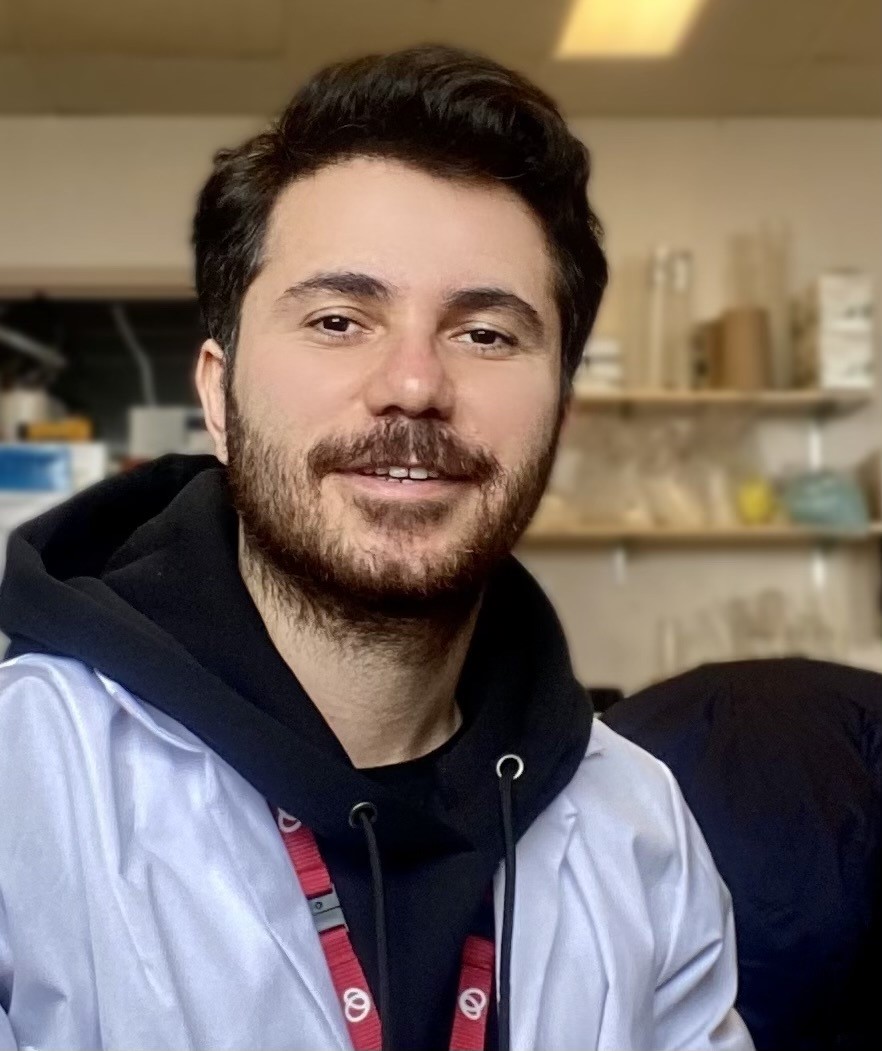
Ramis Ileri 🇹🇷
Ottawa Heart Research Institute
Thesis title:
The role of methylglyoxal in heart-brain interactions and biomaterial therapies to target it after myocardial infarction
Project description:
I’m currently exploring the impact of myocardial infarction (MI) on the brain after MI. My focus is on elucidating potential mechanisms of neuroinflammation that MI may trigger. Additionally, I’m also working on a project investigating the efficacy of nanoparticle therapies in a model of myocardial ischemia-reperfusion to mitigate the effects of methylglyoxal post-MI.
Keywords:
Myocardial infarction, methylglyoxal, heart-brain interactions ,biomaterial therapies
Website: LinkedIn profile
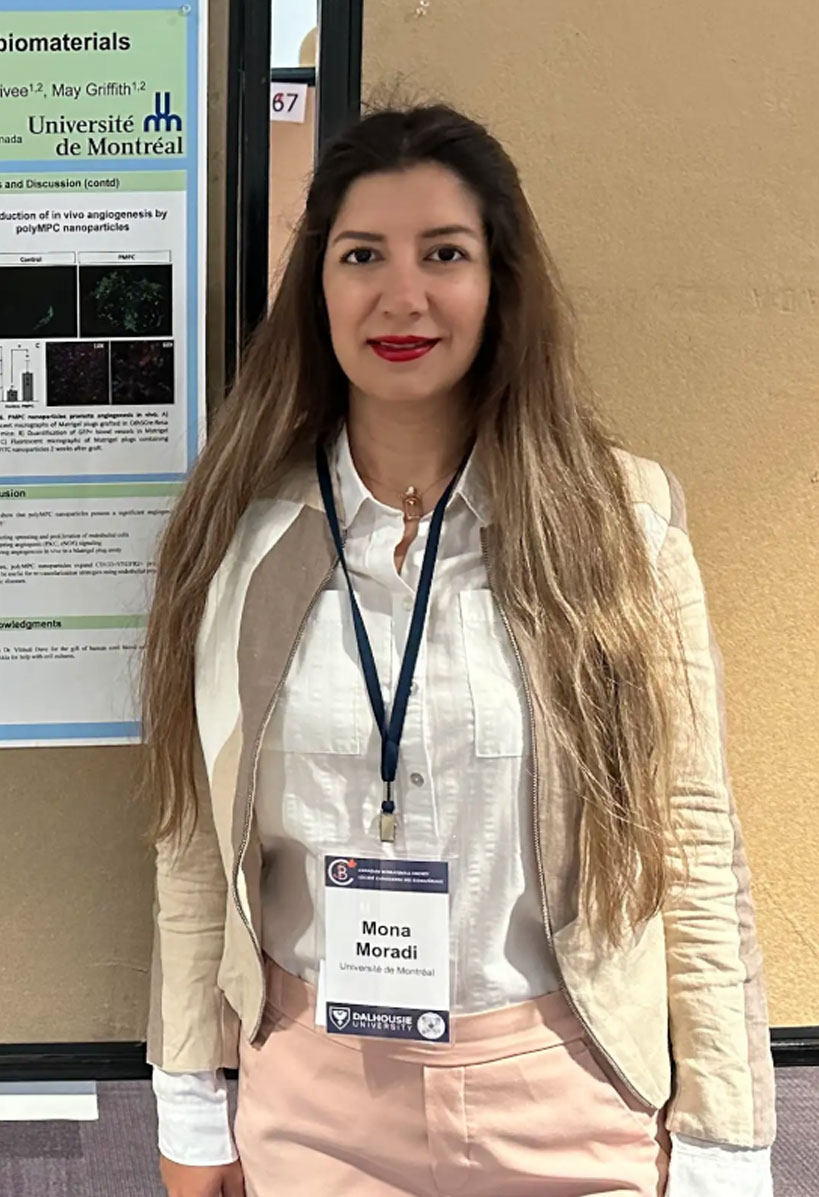
Mona Moradi 🇮🇷
Centre de recherche de l’Hôpital Maisonneuve-Rosemont
Thesis title:
Dual-Functional Applications of PolyMPC Nanoparticles in Regenerative Medicine: Corneal Blindness and Angiogenesis in Peripheral Arterial Disease Treatment
Project description:
My research focuses on a special material called methacrylated phosphorylcholines (MPC), which can behave differently depending on its size. At a larger scale, MPC prevents unwanted blood vessel growth, making it useful for treating eye conditions that require clear corneas. However, at the nanoscale, tiny particles of MPC (polyMPC nanoparticles) actually help grow blood vessels, which could be beneficial for heart disease and tissue repair. My work aims to understand why MPC acts differently at different sizes and explore its potential for regenerative medicine, including improving treatments for heart disease and eye injuries.
Keywords:
PolyMPC Nanoparticles, Regenerative Medicine, Angiogenesis, Tissue Engineering, Biomaterials
Website: LinkedIn profile
Masters
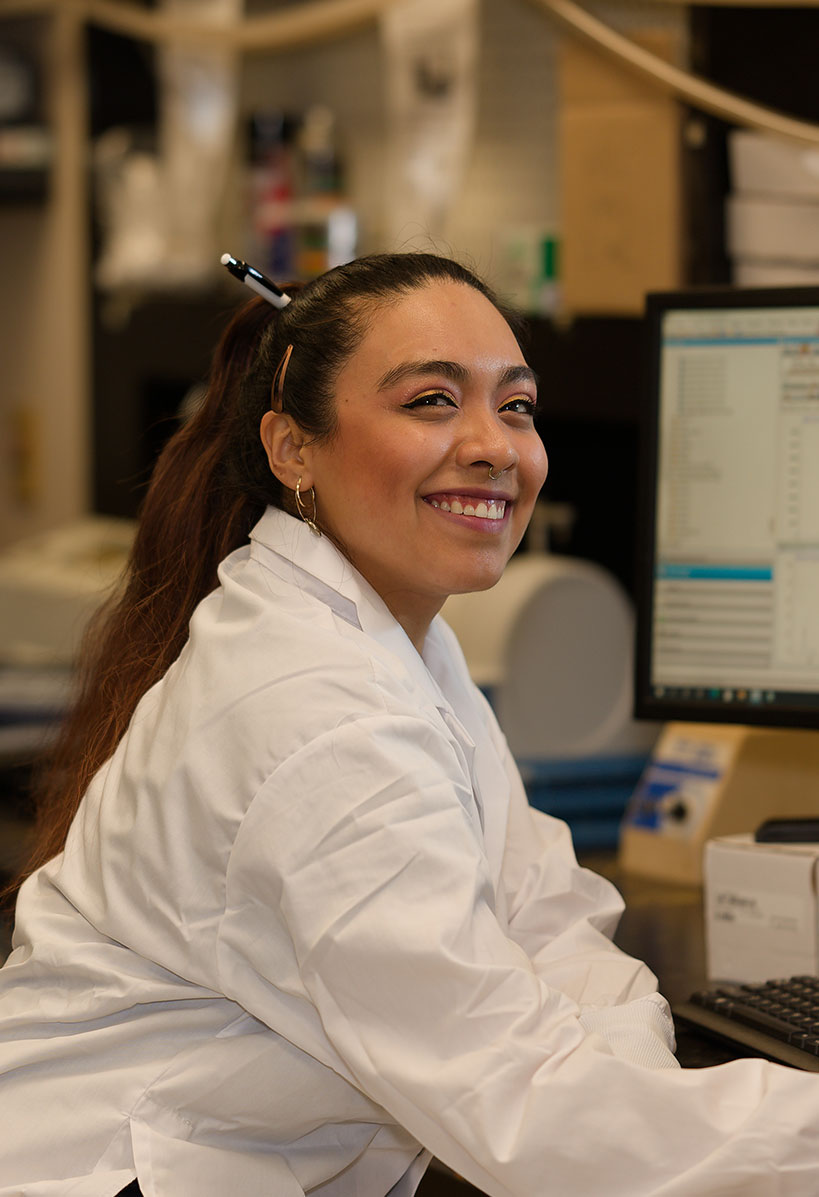
Jéssica Hernández Juárez 🇲🇽
Ottawa Heart Research Institute
Thesis title:
Collagen-like-peptide nanoparticles for scavenging methylglyoxal
Project description:
Methylglyoxal (MG) is produced in the body naturally, but usually the body has mechanisms to neutralize it and it’s by-products. After a heart attack these cleansing routes get saturated and MG starts to accumulate, which is dangerous as it reacts with proteins and DNA. This buildup of MG has been linked to the development of subsequent diseases, including neurodegenerative disorders such as Alzheimer. As the most common protein in the body, collagen is a primary target for MG. We have synthesized peptides that resemble collagen to act as scavengers and shield the natural collagen from the high MG concentrations. These collagen-like peptides are being optimized to be loaded into nanoparticles and delivered after a heart attack as a promising treatment that could help diminish related diseases.
Keywords:
Peptide, nanoparticle, methylglyoxal
Website: LinkedIn profile
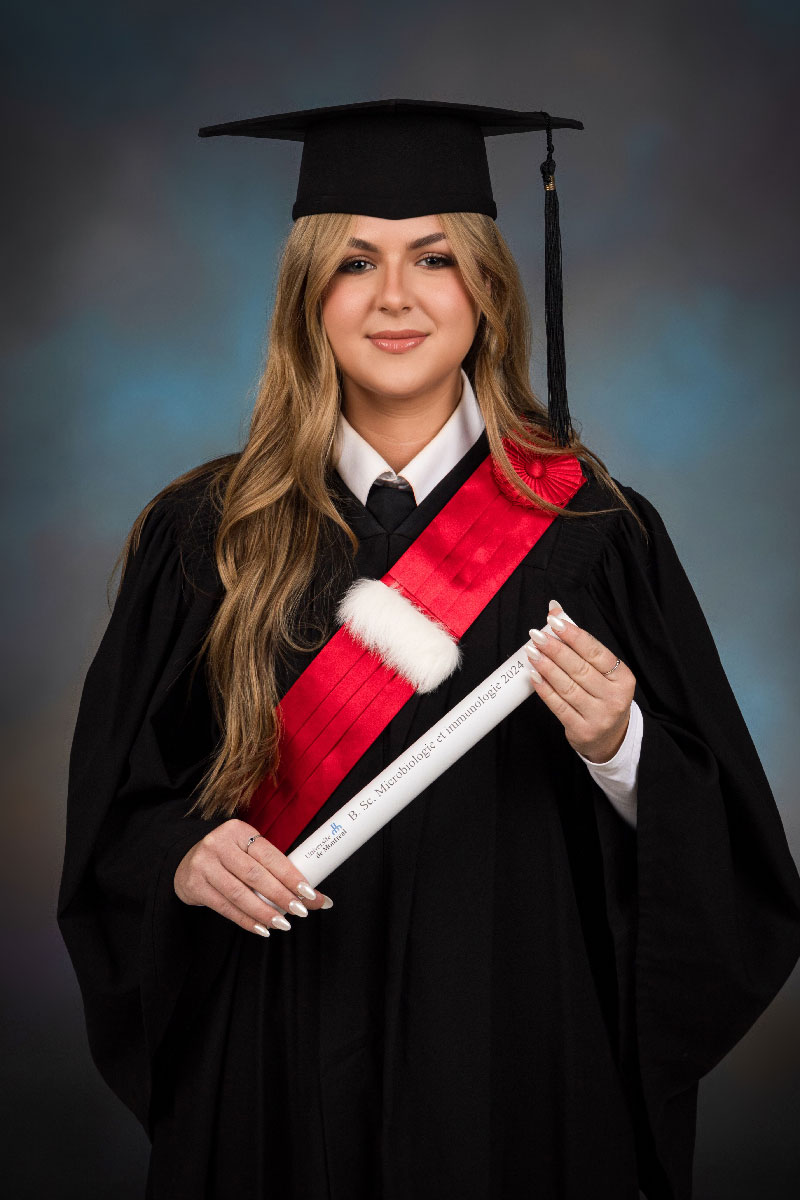
Béatrice Guilbault 🇨🇦
Centre de recherche de l’Hôpital Maisonneuve-Rosemont
Thesis title:
Understanding the immune response of a LSFC murin model
Project description:
LSFC in a rare neurodegenerative genetic disorder that is fatal due to lactic acidosis crisis. It is due to a mutation in the LRPPRC gene and In my projet I’m evaluating the immune response and the blood parameters that are related to an acidosis crisis in mice models that are KO of the LRPPRC protein after immunisation.
Keywords:
Genetic, metabolism, LSFC, mouse, rare disease
Website: N/A
Postdocs
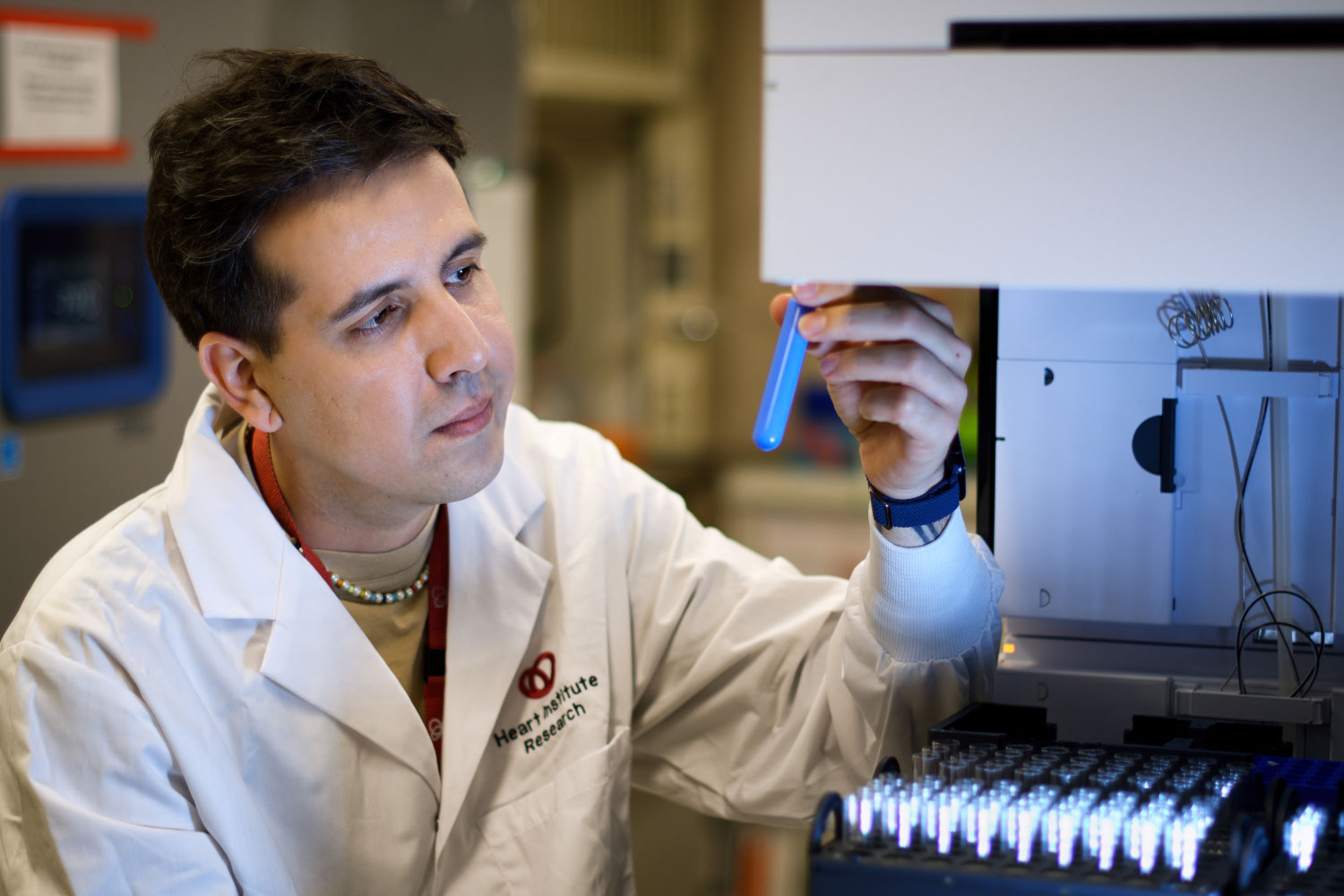
David García 🇦🇷
Ottawa Heart Research Institute
Thesis title:
Peptide-based methylglyoxal trapping materials for heart repair
Project description:
Cardiovascular diseases cause an estimated 32% of all deaths worldwide. Myocardial infarction (MI) occurs when coronary artery blood flow is reduced, triggering extensive cell death in the left ventricle. Even with prompt intervention, the level of recovery is variable, and about 10% of patients can lead to heart failure. Thus, a new therapy is needed that can limit cell death and reduce the incidence of heart failure post-MI. Our current research project is focused on finding peptide-based biomaterials to promote the repair and function of the post-MI heart.
Keywords:
Peptide; Biomaterials; Methylglyoxal; AGEs; Injectable hydrogels
Website: LinkedIn profile
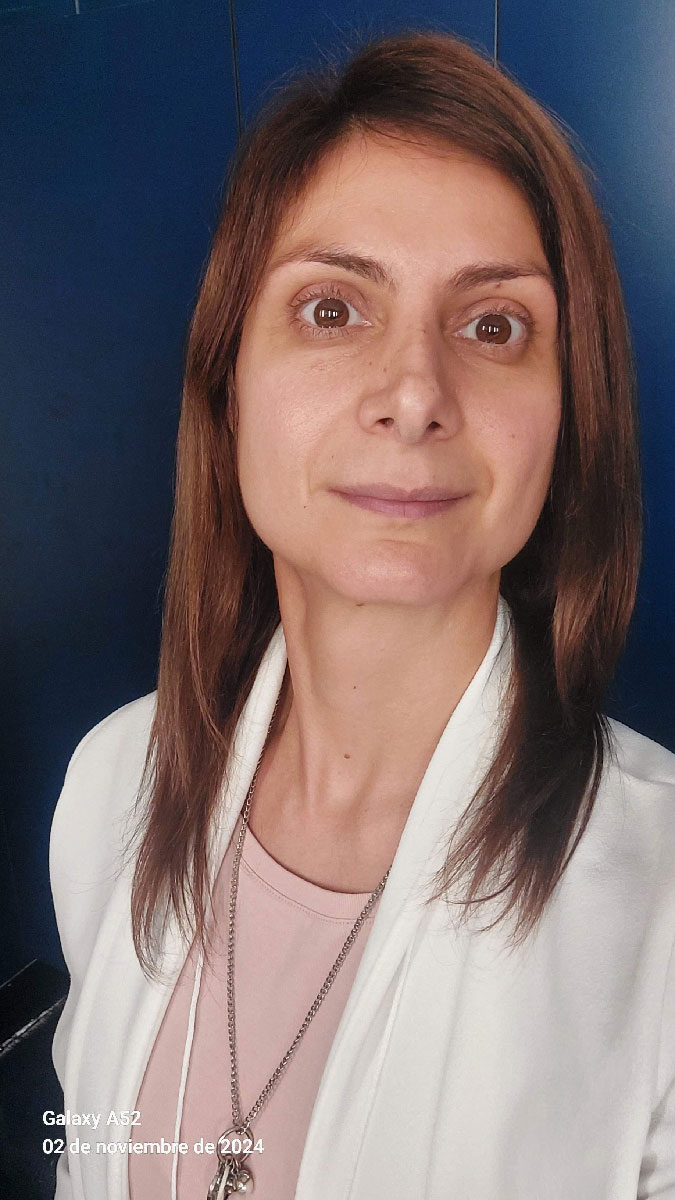
Maria Jazmin Silvero 🇦🇷
University of Ottawa – Research Labs
Thesis title:
Aplications and development of novel nanomaterials
Project description:
I am part of more than one project. Development of polymers containing silver and gold nanoparticles with photoantimicrobial properties. synthesis of nano catalyst for organic reactions. Degradation of pollutans in water and air.
Keywords:
nanoparticles, catalyst, antimicrobial, light
Website: LinkedIn profile
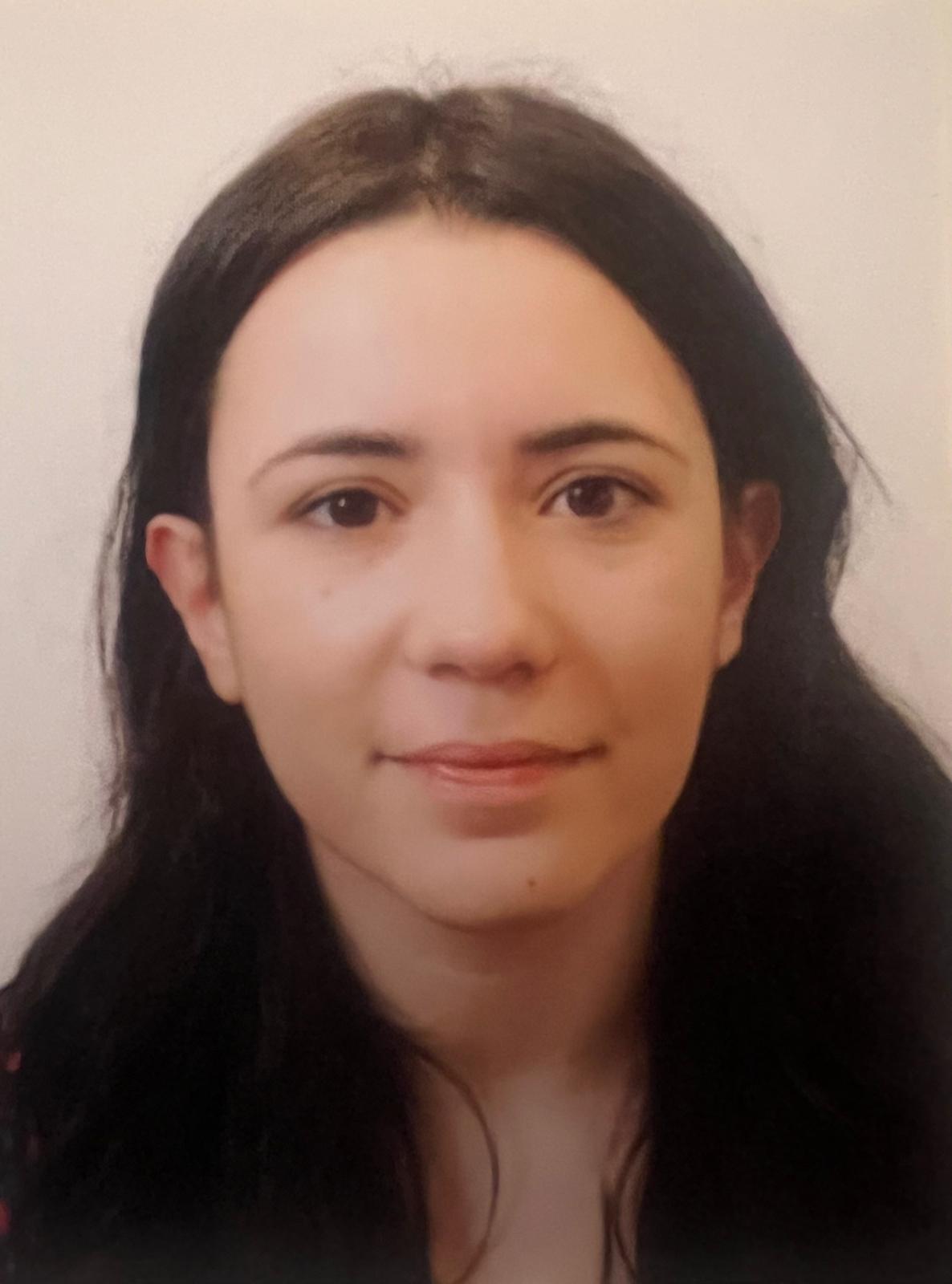
Micaela Giannetti 🇮🇹
Ottawa Heart Research Institute
Thesis title:
A deep insight into the complexity of interchain interaction in ruling the activity
of biological peptides and protein in solution or on surface.
Project description:
The project was based on exploring how interchain interactions influence the activity of biological peptides and proteins, both in solution and on surfaces.
The computational work was directly compared with experimental data to elucidate the
underlying molecular mechanisms and to inform the development of predictive models.
Keywords:
Molecular dynamics simulations, PD-L1, oligopeptide
Past trainees
Masters

Sara Currie 🇨🇦
University of Ottawa – Research Labs
Thesis title:
Bactericidal Properties of Blackened Titanium Dioxide on Glass Filter: A Proof of Concept for Water Decontamination
Project description:
This thesis investigates blackened titanium dioxide (bTiO₂) as a solar-activated photocatalyst for water purification. It demonstrates efficient bacterial inactivation (E. coli 99.8%, S. aureus 98.5%) via reactive oxygen species (ROS) generation. A novel PicoGreen fluorescence assay is introduced for rapid viability assessment, revealing its dependency on inactivation mechanisms. Flow experiments with oxygen bubbling enhance disinfection, meeting WHO standards. The study advances sustainable water treatment and fluorescence-based bacterial quantification.
Keywords:
Water Purification, Photocatalysis, Bacterial Inactivation, White Light, PicoGreen
Website: LinkedIn profile

Aude Gigodot 🇫🇷
Centre de recherche du CHUM (Centre hospitalier de l’Université de Montréal)
Thesis title:
Développement d’un hydrogel à base de réseaux interpénétrés de polymères pour la médecine régénérative
Project description:
We wanted to develop a new type of gel-like material that can support living cells and help create artificial tissues. Our goal was to improve the strength and stability of these materials so they can better mimic cartilage, a tough but flexible tissue found in joints. By combining two natural components: chitosan and gelatin, we created a hydrogel that is stronger and more suitable for 3D printing. Our tests show that this material supports cell growth and could be a promising option for future biomedical applications.
Keywords:
Injectable hydrogels, Interpenetrating Networks, Bio-inks, Cartilage
Website: N/A
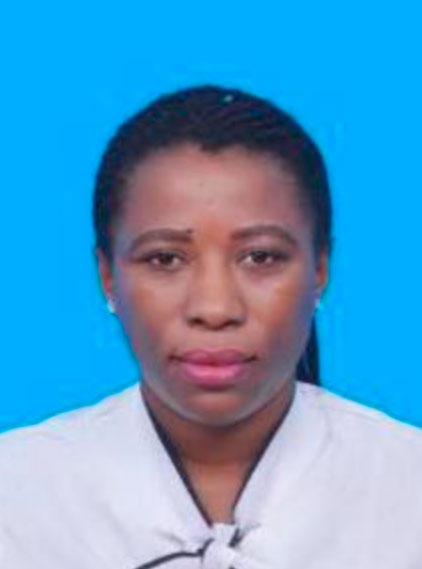
Solange Muhayimana 🇷🇼
Centre de recherche de l’Hôpital Maisonneuve-Rosemont
Thesis title:
Stability of hydrogel biomaterials for cornea implants
Project description:
My research focuses on the stability testing of solid and injectable corneal hydrogels. The solid hydrogels remained stable for 6 months which was the target period. Results identified DMTMM, the crosslinker, as the primary cause of instability in injectable hydrogels. To address this issue, the crosslinker was removed, and alternative chemistry was explored, leading to the development of new hydrogels using click chemistry.
Keywords:
Biomaterials, corneal hydrogels, storage, stability, crosslinkers
Website: LinkedIn profile
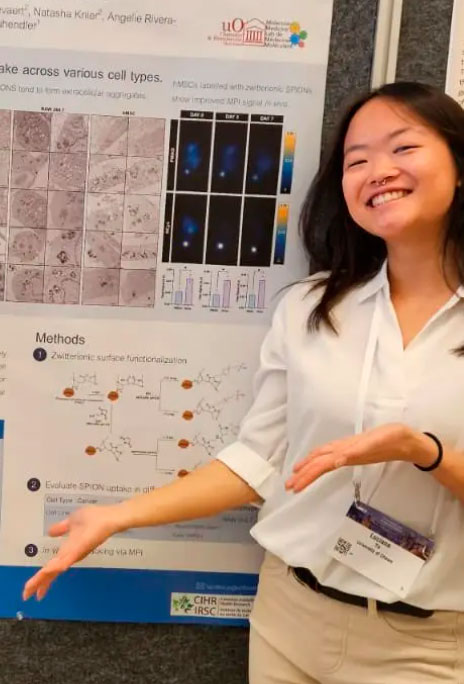
Luciana Yu 🇨🇦
Ottawa Heart Research Institute, University of Ottawa – Research Labs
Thesis title:
Zwitterionic magnetic nanoparticles for cell tracking by magnetic particle imaging
Project description:
Cell based therapies are a continued area of growth for a variety of diseases, with several implementations advancing to the clinic. However, in continued developmental efforts, the ability to track administered cells in the body is key to understand distribution and longevity. To this end, I am developing small magnetic particles that can be used to rapidly load therapeutic cells with imaging beacons without the need for any additional loading reagents.
Keywords:
Magnetic nanoparticles, cell tracking, magnetic particle imaging.
Website: N/A
Discover the future of science research with us.
FAQs
Do you have questions? Please go to our CONTACT PAGE